Posts

Pole Barn Insulation in Arizona: Protect Agricultural Buildings From Extreme Heat

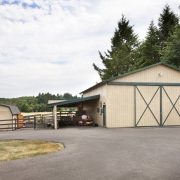
Arizona pole barns and agricultural buildings face some of the toughest conditions in the country. Intense sunlight, extreme summer temperatures, dust, and large temperature swings can all affect building performance. Therefore, choosing effective pole barn insulation in Arizona can make a significant difference.

Proper insulation helps slow heat transfer through walls and roofing. It can also make agricultural buildings more comfortable and efficient throughout the year. Additionally, the right insulation system can help protect equipment, stored materials, livestock areas, and workspaces.

King Insulation provides commercial and industrial insulation solutions throughout Arizona. With decades of local experience, their team can recommend insulation based on the structure, its use, and the Arizona climate.

Why Pole Barn Insulation in Arizona Matters

Pole barns are popular because they offer flexible, economical space for many agricultural purposes. However, their open layouts and metal components can make temperature control challenging.

Metal roofing and siding can absorb tremendous amounts of solar heat. Consequently, interior temperatures can rise quickly during Arizona summers. An uninsulated agricultural building may become uncomfortable for workers and unsuitable for certain stored products or equipment.

During cooler months, temperatures can also fall rapidly overnight. Insulation helps slow these temperature changes and creates a more stable indoor environment.

For conditioned buildings, better insulation can also reduce the workload placed on heating and cooling equipment. As a result, property owners may lower energy demand while improving overall building comfort.

Agricultural Buildings Have Different Insulation Needs

There is no single insulation system that works for every agricultural property. Instead, the right approach depends heavily on how the building is used.

A machinery storage building may need different insulation than a livestock facility. Likewise, a workshop may have different requirements than a feed storage building or agricultural warehouse.

Common structures that may benefit from pole barn insulation in Arizona include:

  • Equipment and machinery storage buildings
  • Agricultural warehouses
  • Workshops and maintenance buildings
  • Livestock and animal housing facilities
  • Feed and supply storage structures
  • Horse barns and riding facilities
  • Farm offices and conditioned workspaces
  • Garages and multipurpose outbuildings

Therefore, property owners should consider both current and future building uses before selecting insulation.

Spray Foam Insulation Can Help Seal Agricultural Buildings

Spray foam can be particularly useful for certain pole barns because it expands into gaps and irregular spaces. This creates a more continuous insulating layer.

Additionally, spray foam can help reduce unwanted air movement through cracks and building penetrations. That benefit can become especially important when a pole barn includes conditioned offices, workshops, or storage areas.

King Insulation offers both open-cell and closed-cell spray foam insulation. However, each product has different characteristics. Therefore, material selection should depend on the structure and project requirements.

A professional evaluation can determine whether spray foam is appropriate for the walls, roofline, or other sections of the building.

Fiberglass Offers a Versatile Insulation Option

Fiberglass remains another practical choice for many commercial and agricultural applications.

Fiberglass batt insulation can fit between framing members to create a thermal barrier. Meanwhile, blown-in fiberglass may work well in certain ceilings and other accessible areas.

One advantage of fiberglass is its versatility. It can work for new construction, renovations, and insulation upgrades depending on the building design.

King Insulation provides fiberglass batt and blown-in insulation as part of its commercial and industrial services. Therefore, agricultural property owners can compare several options rather than relying on one material for every project.

Insulation Can Help Protect Working Conditions and Equipment

Temperature control affects more than comfort.

Excessive heat can create difficult working conditions inside agricultural shops, barns, and maintenance buildings. Furthermore, prolonged heat exposure may be undesirable for certain tools, materials, chemicals, or stored products.

Insulating the roof and walls helps reduce the amount of outside heat entering the structure. Consequently, interior temperatures may remain more manageable during the hottest parts of the day.

For buildings with air conditioning, insulation becomes even more valuable. Without an effective thermal barrier, cooled air can escape while outdoor heat continually enters the structure.

Improving the building envelope can therefore support more efficient operation.

Moisture and Condensation Should Also Be Considered

Heat receives most of the attention in Arizona. However, moisture management still matters when insulating metal agricultural buildings.

Temperature differences between indoor air and metal building surfaces can contribute to condensation under certain conditions. Over time, uncontrolled moisture may affect building materials and stored contents.

That is why an insulation project should consider the entire building system rather than simply adding insulation wherever space is available.

King Insulation offers options that include foil and vinyl vapor barriers in addition to several insulation materials. The appropriate combination depends on building construction, ventilation, usage, and environmental conditions.

Insulation Can Make Agricultural Buildings More Versatile

Many pole barns begin as simple storage structures. However, their purpose often changes over time.

A storage barn may eventually become a workshop. Likewise, part of an agricultural warehouse might later become an office or conditioned workspace.

Installing effective pole barn insulation in Arizona can make these buildings easier to adapt. Better thermal control creates opportunities to use the space throughout more of the year.

Moreover, planning insulation during new construction can reduce the difficulty of making upgrades after walls, ceilings, and equipment are installed.

Existing agricultural buildings can also benefit from insulation improvements. The best solution will depend on access, current materials, and the structure’s design.

Choose an Experienced Arizona Insulation Company

Arizona agricultural buildings require insulation strategies designed around desert conditions. Experience with local temperatures, building styles, and commercial applications matters.

King Insulation has provided insulation solutions in Arizona since 1981. Their commercial and industrial team works with property owners, contractors, architects, engineers, HVAC contractors, and other construction professionals.

Their available solutions include fiberglass batt insulation, rock wool, blown-in insulation, rigid insulation, spray foam, radiant barriers, vapor barriers, and additional specialty products.

This range allows King Insulation to recommend an approach based on the actual building rather than forcing every property into the same system.

Improve Your Arizona Agricultural Building With King Insulation

The right pole barn insulation in Arizona can improve temperature control, support energy efficiency, and create a more functional agricultural building. It can also help make workshops, storage facilities, barns, and other structures more usable throughout the year.

Most importantly, the insulation system should match the property’s construction and intended use.

King Insulation brings decades of Arizona commercial and industrial insulation experience to projects of many sizes. Their team can evaluate your agricultural building and recommend insulation designed around your specific goals.

Contact us today to speak with King Insulation about pole barn insulation in Arizona and schedule an evaluation for your agricultural property.
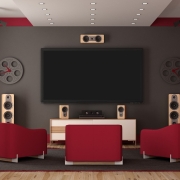
Custom Home Theater Insulation in Arizona for Better Sound and Comfort

A great home theater should make every movie, game, and song feel immersive. However, speakers and screens are only part of the experience. Proper home theater insulation in Arizona can dramatically improve sound control, comfort, and overall room performance.

Without the right insulation, sound can easily travel through walls, ceilings, doors, and adjoining rooms. Meanwhile, Arizona’s extreme heat can make temperature control another challenge.

Fortunately, custom insulation can address both concerns. King Insulation provides thermal and sound insulation solutions designed around each home’s unique construction and needs.

Why Home Theater Insulation in Arizona Matters

Home theaters produce much more sound than most rooms. Powerful subwoofers create low-frequency vibrations that can travel throughout a house. Additionally, surround-sound speakers can send noise into bedrooms, offices, hallways, or neighboring spaces.

Standard interior walls often provide limited sound control. Therefore, creating a dedicated media room requires more than simply closing the door.

Proper insulation helps absorb and reduce sound transmission through wall and ceiling cavities. As a result, homeowners can enjoy higher volume levels without disturbing everyone else.

Insulation can also help reduce outside noise entering the room. Consequently, traffic, HVAC equipment, nearby conversations, and other distractions become less noticeable.

The result is a quieter environment that makes movies, music, gaming, and sports more enjoyable.

Soundproofing and Sound Absorption Are Different

Homeowners often use the terms soundproofing and sound absorption interchangeably. However, they address different problems.

Sound absorption reduces reflections and echoes within a room. Acoustic wall panels are a common example. They can help dialogue sound clearer while improving the overall listening experience.

Sound isolation focuses on limiting noise movement between rooms. Insulation inside walls and ceilings can play an important role here.

Therefore, an effective home theater may need several sound-control strategies working together.

King Insulation offers complete sound insulation for interior walls and ceilings, including media and theater rooms. Depending on the project, solutions may include sound attenuation materials, sound panels, Acoustiblok, fiberglass, or rock wool insulation.

Choosing Insulation for Home Theater Walls

The right home theater insulation in Arizona depends on the room’s construction, location, and performance goals.

For example, a theater next to a bedroom may require greater sound isolation. Meanwhile, a converted garage may need both thermal and acoustical upgrades.

Fiberglass batt insulation can help reduce sound movement through wall cavities. It also provides thermal resistance and remains a practical choice for many residential projects.

Rock wool batt insulation can also work well for sound-sensitive spaces. Its dense structure makes it useful when reducing noise transmission is a major priority.

Furthermore, specialty sound attenuation products may provide additional performance when standard insulation alone is not enough.

A professional evaluation can determine which materials best fit the room and surrounding spaces.

Do Not Forget the Ceiling

Sound does not only travel sideways.

Home theater noise can move through ceilings and into bedrooms or living areas above the room. Likewise, footsteps and household activity upstairs can disrupt the theater below.

Therefore, ceiling insulation should be considered during home theater design.

Adding sound insulation between ceiling joists can help reduce noise transmission between floors. Furthermore, additional acoustic solutions may improve performance when greater isolation is needed.

Planning these details before drywall installation makes the process easier. However, existing media rooms may also have insulation upgrade options.

King Insulation can evaluate the structure and recommend an appropriate approach.

Arizona Heat Creates Another Challenge

Sound is not the only reason to properly insulate a media room.

Arizona homes face intense heat for much of the year. Additionally, home theaters contain televisions, projectors, amplifiers, receivers, computers, and other electronics. Many of these devices generate significant heat.

Poor insulation can make the room harder to cool. Consequently, the HVAC system may need to work longer to maintain a comfortable temperature.

Proper thermal insulation helps reduce unwanted heat transfer. It can also support more consistent indoor temperatures throughout long Arizona summers.

Spray foam insulation may be useful in certain applications because it provides insulation while helping seal gaps. King Insulation offers both open-cell and closed-cell spray foam options.

However, every home is different. The best solution depends on construction, accessibility, existing insulation, and the room’s location.

Media Room Insulation for Garage Conversions

Garage conversions have become popular locations for home theaters and entertainment rooms. They offer space and separation from the rest of the house.

However, garages were rarely designed with the same thermal envelope as interior living areas.

Walls, ceilings, and other surfaces may have limited insulation. Therefore, a converted garage can become extremely hot during summer. Sound can also travel easily without proper wall and ceiling insulation.

A custom insulation plan can address both problems.

For instance, wall insulation can improve temperature control while helping reduce noise transmission. Ceiling insulation can provide another thermal and sound barrier.

Additionally, air sealing may help reduce unwanted outdoor air movement.

These upgrades can transform an uncomfortable garage into a more usable entertainment space.

Custom Solutions Deliver Better Results

There is no single insulation product that works perfectly for every media room.

Room dimensions, speaker placement, surrounding rooms, exterior walls, ceiling construction, and existing insulation all matter. Therefore, homeowners benefit from a solution designed around the actual space.

King Insulation has provided energy-saving insulation solutions throughout Arizona since 1981. The company works with residential, commercial, and industrial properties.

Its residential services include thermal insulation, sound attenuation, spray foam, fiberglass, rock wool, blown-in insulation, sound panels, and other specialized products.

This broad range allows homeowners to consider both sound and energy performance instead of treating them as separate projects.

Build a Better Home Theater With King Insulation

A home theater should feel like a dedicated escape from the rest of the house. Proper insulation can help make that possible.

The right system can reduce unwanted sound transmission, limit outside distractions, and improve temperature control. Moreover, custom insulation can protect the comfort of surrounding bedrooms, offices, and living spaces.

King Insulation understands the challenges Arizona homes face. Their team can evaluate your theater or media room and recommend insulation based on your specific goals.

Whether you are building a new theater or upgrading an existing space, professional insulation can make a noticeable difference.

Contact us at King Insulation to discuss home theater insulation in Arizona and request an evaluation for your project.

How Commercial Insulation Helps Arizona Businesses Meet Sustainability Goals

Sustainability is becoming an important priority for Arizona businesses. However, reaching environmental goals requires more than changing lightbulbs or reducing paper use. A company must also address how its building consumes energy. Fortunately, commercial insulation can create lasting improvements without affecting daily operations.

Proper insulation limits unwanted heat transfer through roofs, walls, ceilings, and other building areas. As a result, cooling systems can maintain comfortable temperatures with less effort. This benefit is especially valuable in Arizona, where extreme outdoor heat can place constant pressure on commercial HVAC equipment.

For businesses seeking practical sustainability improvements, professional insulation offers a strong place to start.

Why Commercial Insulation for Arizona Businesses Matters

Arizona businesses face environmental conditions that differ from those in cooler regions. During the hottest months, heat can enter a building through poorly insulated walls, roofing systems, gaps, and penetrations. Meanwhile, cooled indoor air may escape through those same areas.

Consequently, the HVAC system must run longer to compensate. That increased workload can raise energy consumption, operating costs, and equipment wear.

Commercial insulation creates a thermal barrier between indoor and outdoor environments. Therefore, it helps reduce heat gain and supports more stable indoor temperatures. King Insulation provides commercial and industrial insulation services for businesses throughout Arizona. The company has worked with property owners, developers, general contractors, property managers, and investors since 1981.

Commercial Insulation Can Reduce Energy Demand

Energy efficiency remains one of the most direct ways businesses can support sustainability goals. When a building requires less energy for cooling, it also reduces the overall demand placed on local energy resources.

Commercial insulation supports this goal by slowing heat transfer. Additionally, air-sealing materials can help limit gaps that allow conditioned air to escape. Together, these improvements can reduce the amount of energy needed to maintain comfortable working conditions.

Lower energy demand may also support other company objectives. For example, reduced consumption can strengthen internal sustainability reports and environmental initiatives. It can also help businesses manage operating expenses during periods of rising utility costs.

However, insulation performance depends on proper product selection and installation. Therefore, businesses should work with experienced professionals who understand Arizona buildings and climate conditions.

Insulation Supports More Efficient HVAC Performance

A commercial HVAC system works best when the building envelope helps preserve conditioned air. Without adequate insulation, even a newer air-conditioning system may struggle to maintain consistent temperatures.

As heat enters the structure, cooling equipment must operate more frequently. This can increase electricity use and place additional strain on components. Over time, that strain may contribute to more service needs or premature equipment replacement.

By improving the building envelope, commercial insulation helps the HVAC system work under more manageable conditions. Consequently, the property may maintain steadier temperatures with fewer hot spots.

This improved performance supports sustainability in two ways. First, the building can use less energy. Second, the business may extend the useful life of expensive mechanical equipment.

Different Buildings Need Different Insulation Solutions

No single insulation product works perfectly for every commercial property. A warehouse has different needs than an office, restaurant, retail center, school, or manufacturing facility.

King Insulation offers several commercial insulation options, including fiberglass batt insulation, rock wool batt insulation, blown-in insulation, rigid insulation, and open- or closed-cell spray foam. The company also provides thermal and acoustical insulation, sound attenuation, vapor barriers, fire barriers, and duct wrap.

Fiberglass batt insulation offers a cost-effective option for many walls, ceilings, and open framing systems. Meanwhile, blown-in insulation can fill attic spaces and other difficult areas with relatively little disruption.

Spray foam insulation can provide both thermal resistance and air sealing. Additionally, rigid insulation may work well in roofing systems and exterior wall applications. Rock wool can deliver thermal, sound-control, and fire-resistant benefits.

Because each property is different, an experienced insulation contractor should evaluate the structure before recommending a solution.

Better Temperature Control Can Improve Workplace Comfort

Sustainability improvements should also support the people using the building. Fortunately, commercial insulation can contribute to a more comfortable workplace.

Poorly insulated spaces may develop noticeable temperature differences. Employees near exterior walls might feel excessive heat, while other parts of the building remain cool. These inconsistencies can make the workplace uncomfortable and may lead employees to adjust thermostats repeatedly.

Effective insulation helps stabilize indoor temperatures. Therefore, employees, customers, tenants, and visitors may experience a more consistent environment.

Additionally, acoustical insulation can reduce sound transfer between rooms or limit noise from mechanical and industrial equipment. This can create more productive offices, quieter customer areas, and safer industrial settings.

Commercial Insulation Can Support Long-Term Building Value

Many sustainability projects provide temporary benefits. In contrast, professionally installed insulation can continue supporting energy performance for years.

Improved insulation may make a commercial property more attractive to future tenants or buyers. Energy-efficient buildings can offer greater comfort and more predictable operating expenses. Moreover, upgrades may help older properties remain competitive with newer developments.

Businesses planning renovations, tenant improvements, expansions, or new construction should consider insulation early in the process. Addressing the building envelope during these projects can be easier than making improvements after interior finishes are completed.

However, existing properties can also benefit from insulation retrofits. Blown-in insulation, spray foam, and other materials may improve performance without requiring a complete building renovation.

Work With an Experienced Arizona Insulation Contractor

Commercial insulation is not simply about adding more material. The installation must address the building’s construction, usage, ventilation, moisture conditions, and energy-efficiency priorities.

King Insulation works directly with architects, engineers, property owners, general contractors, mechanical contractors, HVAC contractors, and restoration professionals. Its team has completed insulation work for offices, warehouses, restaurants, retail centers, schools, hospitals, government facilities, aircraft hangars, water treatment facilities, and many other properties across Arizona.

That broad experience allows King Insulation to recommend solutions based on real building needs. Instead of using a one-size-fits-all approach, the team can help identify the right insulation materials and installation methods for each project.

Build a More Sustainable Arizona Business

Commercial insulation can help Arizona businesses reduce energy demand, improve HVAC performance, support employee comfort, and protect long-term property value. More importantly, it offers a practical sustainability improvement that can benefit both the environment and the company’s bottom line.

King Insulation has served Arizona businesses since 1981. Its experienced team provides commercial and industrial thermal, acoustical, and specialty insulation solutions for properties of many sizes.

Contact us today to schedule an evaluation and learn how King Insulation can help your business create a more comfortable, efficient, and sustainable commercial property.

Insulation Upgrades for Older Arizona Homes: Common Challenges and Smart Solutions

Older homes across Arizona have character, charm, and solid construction. However, many were not built for today’s comfort standards or energy demands. Because of that, insulation upgrades for older Arizona homes can make a major difference in indoor comfort, cooling efficiency, and long-term performance.

In Phoenix, Glendale, and surrounding areas, summer heat pushes air conditioning systems hard. Meanwhile, weak insulation allows cooled air to escape and outdoor heat to move inside. As a result, many homeowners deal with hot rooms, high energy bills, and uneven temperatures.

Fortunately, King Insulation helps homeowners find practical solutions. With residential insulation services throughout Arizona, their team can evaluate the home, recommend the right materials, and complete the upgrade with professional care.

Why Older Arizona Homes Often Need Insulation Upgrades

Many older homes have insulation that has settled, shifted, deteriorated, or become less effective over time. In some homes, the attic may have too little insulation. In others, gaps around walls, garages, additions, or crawl spaces can reduce performance.

Additionally, Arizona’s climate creates unique challenges. Intense sun, extreme attic temperatures, dust, and long cooling seasons all affect how well a home performs. Therefore, insulation upgrades for older Arizona homes should never follow a one-size-fits-all approach.

A professional inspection can identify where the home loses comfort. Then, the right insulation method can help reduce heat transfer and support better indoor temperature control.

Challenge: Not Enough Attic Insulation

Attics are one of the most common problem areas in older Arizona homes. Since heat builds quickly under the roof, weak attic insulation can make the entire home harder to cool.

In many older properties, insulation levels may fall below what the home needs today. Also, old insulation can become compressed or disturbed during repairs. When that happens, it loses effectiveness.

Blown-in insulation can often help solve this issue. King Insulation offers blown-in fiberglass and cellulose options, which can work well in attic spaces. These materials help fill gaps and improve coverage across large areas.

Because every attic is different, King Insulation can recommend the right solution based on the home’s structure and comfort goals.

Challenge: Air Leaks Around Gaps and Openings

Older homes often have small gaps around framing, plumbing penetrations, electrical areas, and additions. Although these gaps may seem minor, they can allow conditioned air to escape.

As a result, some rooms may feel warmer than others. The HVAC system may also run longer to maintain the thermostat setting.

Spray foam insulation can be a strong option for sealing gaps and creating an airtight barrier. King Insulation offers open and closed cell spray foam insulation for residential projects. Spray foam can also help with moisture protection, sound control, and vapor resistance.

Because spray foam requires proper application, homeowners should work with trained insulation professionals. This helps ensure the material performs as intended.

Challenge: Uneven Temperatures From Room to Room

Many Arizona homeowners notice that one bedroom feels hot, while another stays comfortable. Older floor plans, additions, garage conversions, and sun-facing rooms can all contribute to this issue.

In these cases, insulation upgrades for older Arizona homes may require more than adding attic insulation. Walls, garages, and converted spaces may also need attention.

Fiberglass batt insulation can work well in walls and other accessible areas. King Insulation provides fiberglass batt insulation, which remains a common and cost-effective choice for homes. It fits many spaces and helps improve thermal performance when installed correctly.

For certain areas, rock wool batt insulation or rigid insulation may also support specific comfort goals. A professional evaluation can help determine the best fit.

Challenge: Heat Gain From Arizona Sun Exposure

Arizona homes face heavy sun exposure for much of the year. Therefore, homeowners often need insulation solutions that address radiant heat as well as air movement.

Radiant barrier foil can help reduce heat transfer in certain applications. King Insulation includes radiant barrier foil among its residential service options. This can be especially helpful when paired with other insulation strategies.

However, radiant barriers work best when installed in the right location and under the right conditions. That is why professional guidance matters. King Insulation can help homeowners understand whether this solution makes sense for their home.

Challenge: Older Additions and Garage Conversions

Many older Arizona homes have enclosed patios, garage conversions, room additions, or remodeled spaces. These areas often lack proper insulation because they were not part of the original conditioned living space.

Consequently, they may feel uncomfortable during summer. They may also place extra strain on the HVAC system.

King Insulation can help evaluate these spaces and recommend materials such as fiberglass, spray foam, blown-in insulation, or other solutions. With the right upgrade, these rooms can become more comfortable and usable throughout the year.

Additionally, better insulation can support noise reduction. This can help in garages, media rooms, home offices, and bedrooms.

Choosing the Right Insulation Material

The best insulation for an older Arizona home depends on the home’s layout, existing insulation, access points, and comfort issues. For example, blown-in insulation may suit an attic. Meanwhile, spray foam may help seal gaps and reduce air movement.

Fiberglass can provide a reliable and affordable solution in many spaces. Cellulose can also offer strong attic performance and contains recycled material. Additionally, radiant barrier foil may help address heat gain in certain areas.

Because each material serves a different purpose, homeowners benefit from expert recommendations. King Insulation provides customized residential insulation solutions, helping homeowners avoid guesswork.

Why Professional Installation Matters

Insulation only performs well when installed correctly. Gaps, compression, poor coverage, or incorrect placement can reduce results. In older homes, hidden issues can also make the project more complex.

Professional installers know how to assess these challenges before work begins. They can also recommend insulation levels and materials suited to Arizona’s heat.

King Insulation brings experience with residential and commercial insulation throughout Arizona. Their services include fiberglass batt insulation, blown-in insulation, spray foam insulation, radiant barrier foil, sound attenuation, and more.

Therefore, homeowners can turn to one team for complete insulation support.

Make Your Older Arizona Home More Comfortable

Insulation upgrades for older Arizona homes can help solve common comfort problems. They can also support better energy efficiency, more consistent temperatures, and improved performance during hot Arizona summers.

If your home has hot rooms, high cooling bills, old attic insulation, or an uncomfortable addition, now may be the right time to schedule an evaluation. King Insulation can inspect your needs and recommend a practical solution for your property.

Contact us today to learn how King Insulation can help improve comfort in your Arizona home.

Healthcare Facility Insulation in Arizona: Comfort, Energy Efficiency, and Noise Control

Healthcare facility insulation in Arizona plays a major role in creating safe, comfortable, and efficient medical spaces. From clinics and dental offices to specialty treatment centers and larger healthcare buildings, insulation affects much more than temperature. It can support quieter rooms, steadier indoor comfort, better energy performance, and a more professional environment for patients and staff.

In Arizona, these benefits matter even more. Extreme heat places heavy demands on HVAC systems, especially in facilities that need consistent indoor conditions throughout the day. Therefore, choosing the right insulation contractor is an important part of planning, building, or upgrading a healthcare property. King Insulation provides commercial and industrial insulation services for Arizona businesses that need dependable solutions built around performance.

Why Healthcare Facility Insulation in Arizona Matters

Medical and healthcare facilities need to feel calm, clean, and comfortable. Patients may already feel stressed when they walk through the door. As a result, the building itself should help create a quieter and more stable atmosphere.

Proper insulation helps reduce heat transfer through walls, ceilings, and other key areas. This supports a more consistent indoor temperature, even during Arizona’s hottest months. Additionally, better insulation can help reduce the workload on heating and cooling equipment.

Healthcare spaces also depend on privacy and noise control. Conversations between providers and patients should stay as discreet as possible. Meanwhile, treatment rooms, waiting areas, administrative spaces, and exam rooms all benefit from reduced sound movement. Because of this, thermal and acoustical insulation can be especially valuable in medical settings.

Supporting Comfort in Arizona’s Extreme Heat

Arizona’s climate creates unique challenges for commercial buildings. During long periods of high heat, poor insulation can allow outdoor temperatures to affect indoor spaces quickly. Consequently, air conditioning systems may run longer and work harder.

Healthcare facility insulation in Arizona helps create a stronger barrier between outdoor heat and indoor comfort. This can make exam rooms, lobbies, offices, break areas, and treatment spaces feel more consistent throughout the day.

For healthcare providers, this comfort matters. Staff members need a dependable work environment. Patients also need a space that feels stable and welcoming. Furthermore, a well-insulated building can help support a more polished and professional experience from the moment someone enters.

Improving Energy Efficiency for Medical Buildings

Energy use can be a major concern for healthcare facilities. Many medical offices operate long hours, use specialized equipment, and maintain steady indoor temperatures. Therefore, inefficient insulation can contribute to unnecessary energy waste.

With the right insulation, healthcare facilities can reduce unwanted heat gain and improve overall building performance. Over time, this can help lower strain on HVAC systems. It may also support more predictable operating costs.

King Insulation works with commercial and industrial properties throughout Arizona, offering insulation options for different building needs. Their experience with commercial thermal and acoustical insulation makes them a strong fit for healthcare property owners, contractors, and managers who need practical solutions.

Reducing Noise in Patient-Centered Spaces

Noise control is often overlooked during building upgrades. However, it can make a major difference in healthcare environments. Patients value privacy, and staff members need focus.

Acoustical insulation can help reduce sound transfer between rooms, offices, hallways, and shared spaces. For example, medical consultation rooms may need more privacy than a standard office. Likewise, waiting rooms should feel calmer and less distracting.

Better sound control can also improve staff productivity. When noise travels too easily, it can interrupt conversations and create unnecessary stress. Therefore, insulation becomes part of the overall patient experience.

Insulation Options for Healthcare Facilities

Every healthcare building has different needs. Some facilities may need insulation for new construction, while others may need upgrades during remodeling or tenant improvements. King Insulation offers several insulation solutions that may support commercial healthcare spaces.

Fiberglass batt insulation can be a cost-effective option for walls and other areas. It offers reliable thermal performance and is commonly used in commercial projects. Spray foam insulation may help seal gaps and reduce air movement, which can be especially helpful in Arizona buildings. Blown-in fiberglass and cellulose may also support certain building areas, depending on the structure and project goals.

Rock wool insulation can also be useful for certain commercial applications because it supports both thermal and acoustical performance. Ultimately, the right material depends on the building design, budget, comfort goals, and sound control needs.

Ideal Facilities for Commercial Insulation Upgrades

Healthcare facility insulation in Arizona can benefit many types of medical properties. These may include:

  • Medical office buildings
  • Dental offices
  • Physical therapy clinics
  • Chiropractic offices
  • Specialty care centers
  • Outpatient clinics
  • Urgent care facilities
  • Imaging centers
  • Administrative healthcare offices
  • Medical tenant improvement projects

Additionally, healthcare facilities undergoing expansion or renovation can use insulation upgrades to improve long-term performance. Instead of only focusing on finishes and equipment, property owners should also consider what is happening behind the walls and above the ceiling.

Why Work With King Insulation?

King Insulation understands the insulation needs of Arizona commercial properties. Their team provides commercial and industrial insulation services for general contractors, property managers, developers, investors, and owner-users across the state.

Because healthcare spaces need comfort, efficiency, and noise control, choosing an experienced insulation contractor matters. King Insulation can help match the right insulation solution to the needs of the property. Whether the project involves thermal insulation, acoustical insulation, fiberglass, spray foam, blown-in insulation, cellulose, or rock wool, their team brings practical experience to the job.

Additionally, working with a local Arizona insulation company helps ensure the project accounts for the region’s climate. Arizona heat is not a small detail. It should guide decisions about building performance, comfort, and long-term energy efficiency.

Build a Better Healthcare Space With the Right Insulation

Healthcare facility insulation in Arizona helps create better spaces for patients, providers, and staff. It can improve comfort, support energy efficiency, reduce noise, and help medical properties perform better in the desert climate. Therefore, insulation should be part of any smart healthcare construction, renovation, or tenant improvement plan.

King Insulation offers commercial and industrial insulation services designed for Arizona properties. If you are building, remodeling, or upgrading a medical or healthcare facility, their team can help you choose the right solution for your space.

Contact us today to learn more about healthcare facility insulation in Arizona and how King Insulation can support your next commercial project.

Insulating Underfloor Spaces: When and Why It Matters in Arizona Homes

When homeowners think about insulation, they often focus on attics and walls. However, insulating underfloor spaces is just as critical, especially in Arizona’s extreme climate. At King Insulation, providing a complete thermal envelope is a priority for maximizing comfort and energy efficiency in homes across the state.

In this guide, we’ll explore why insulating underfloor spaces matters, when it’s necessary, and how it can significantly improve your home’s performance.

Why Insulating Underfloor Spaces Matters in Arizona Homes

Arizona homes face intense heat for much of the year, along with noticeable temperature swings between day and night. Because of this, underfloor spaces like crawl spaces, pier-and-beam foundations, and raised floors can become major sources of heat transfer.

When these areas lack insulation, hot air can rise into the home while cooled air escapes. As a result, your HVAC system works harder to maintain comfort. Proper insulation helps create a complete thermal barrier that stabilizes indoor temperatures and improves efficiency.

Additionally, underfloor insulation contributes to better indoor air quality. By sealing gaps and limiting airflow from below, it reduces dust, allergens, and outdoor contaminants entering the home.

When You Should Insulate Underfloor Spaces

Not every home has the same insulation needs. However, there are clear situations where insulating underfloor spaces becomes essential.

Homes with Crawl Spaces

If your home sits above a crawl space, insulation is highly recommended. Without it, heat buildup underneath the structure transfers directly into your flooring, making rooms feel warmer than expected.

Older Arizona Homes

Many older homes do not meet modern energy efficiency standards. In fact, a large number of existing homes lack sufficient insulation. Therefore, upgrading underfloor insulation can dramatically improve comfort and reduce energy costs.

Rooms with Uneven Temperatures

If certain areas of your home feel hotter or colder than others, your underfloor space may be part of the problem. Insulation helps regulate temperatures across all rooms.

Rising Energy Bills

When cooling costs increase, poor insulation is often the cause. Addressing underfloor spaces can reduce energy loss and lower monthly utility expenses.

The Benefits of Insulating Underfloor Spaces in Arizona Homes

Investing in insulating underfloor spaces offers several long-term advantages, especially in a desert climate.

Improved Energy Efficiency

First, insulation reduces heat transfer, which means your air conditioning system does not need to work as hard. Over time, this leads to noticeable energy savings.

Enhanced Comfort

Next, properly insulated floors feel more consistent in temperature. This eliminates hot spots and improves overall indoor comfort throughout the home.

Protection Against Moisture Issues

Although Arizona is dry, moisture can still accumulate in crawl spaces due to plumbing or seasonal conditions. Insulation, especially when paired with vapor barriers, helps protect against potential damage.

Increased Property Value

Energy-efficient upgrades make homes more attractive to buyers. As a result, insulating underfloor spaces can boost resale value while improving day-to-day living conditions.

Best Insulation Types for Underfloor Spaces

Choosing the right material is essential for effective performance. At King Insulation, several insulation options are commonly used based on the structure and goals of the home.

Fiberglass Batt Insulation

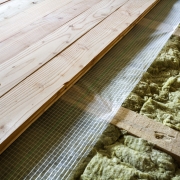
Fiberglass is a cost-effective and widely used option. It fits well between floor joists and provides reliable thermal resistance.

Spray Foam Insulation

Spray foam offers superior air sealing and insulation performance. It expands to fill gaps, making it ideal for preventing heat infiltration and improving overall efficiency.

Blown-In Insulation

Blown-in fiberglass or cellulose works well for filling irregular spaces. It provides consistent coverage and is often used in combination with other insulation methods.

Each material has unique advantages. Therefore, a professional evaluation ensures the best choice for your specific home.

Why Professional Installation Makes a Difference

Even the best insulation material will not perform properly if installed incorrectly. Gaps, compression, and uneven coverage can significantly reduce effectiveness.

That’s why working with experienced professionals like King Insulation is essential. With decades of experience serving Arizona homeowners, their team understands how to tailor insulation solutions to each property’s design and climate demands.

In addition, professional installation ensures compliance with local building codes and energy efficiency standards. This provides peace of mind and long-term performance.

Common Mistakes to Avoid

While insulating underfloor spaces is beneficial, certain mistakes can reduce its effectiveness.

  • Using the wrong insulation type for the space
  • Installing insufficient R-values
  • Leaving gaps or incomplete coverage
  • Attempting DIY installation without proper expertise

Avoiding these issues is key to maximizing your investment and achieving lasting results.

How Insulating Underfloor Spaces Completes Your Home’s Thermal Envelope

A well-insulated home is more than just walls and an attic. It requires a complete approach that includes every part of the structure exposed to outside conditions.

Underfloor spaces are often overlooked, yet they play a vital role in maintaining energy efficiency. By addressing these areas, homeowners can create a fully sealed thermal envelope that keeps cool air inside and heat outside.

King Insulation specializes in delivering this comprehensive approach, ensuring every part of your home contributes to comfort and efficiency.

Get Started with Better Comfort and Efficiency

Insulating underfloor spaces Arizona homes is one of the smartest upgrades you can make. It improves energy efficiency, enhances comfort, and protects your home for years to come.

King Insulation offers expert guidance, high-quality materials, and professional installation tailored to Arizona’s unique climate. Whether you are upgrading an older home or improving a newer one, their team is ready to help.

Contact us today to schedule a free estimate and see how insulating underfloor spaces Arizona homes can transform your property.

Insulation Incentives and Rebates in Arizona: What Homeowners Need to Know

Arizona homeowners know how expensive it can be to keep a house comfortable through long, hot summers. Therefore, insulation upgrades remain one of the smartest ways to improve comfort and reduce energy waste. However, the savings do not have to stop with your utility bill. As of March 24, 2026, Arizona homeowners may still have access to several insulation incentives and rebate opportunities, depending on their income, utility provider, and location. At the same time, some federal tax benefits that many people still ask about have already expired.

For homeowners trying to make sense of it all, King Insulation can help. King Insulation has provided energy-saving insulation solutions in Arizona since 1981. The company serves residential properties throughout the state and offers free home estimates. They also provide air sealing, duct sealing, and insulation upgrades that improve comfort while lowering energy costs.

Why Insulation Incentives Matter in Arizona

In Arizona, insulation does more than help in winter. It plays a major role in slowing heat transfer during extreme summer conditions. Because of that, rebate programs often focus on attic insulation, air sealing, and weatherization improvements. These upgrades can lower cooling demand and help maintain consistent indoor temperatures.

Proper insulation can reduce overall cooling and heating costs by about 10 percent. Therefore, homeowners who invest in insulation upgrades often see both immediate and long-term savings. Even better, incentives can reduce upfront costs, making these improvements more accessible.

The Biggest Arizona Program to Watch in 2026

One of the most important current opportunities is Efficiency Arizona. This statewide program offers qualifying households rebates for home energy upgrades. For insulation, air sealing, and ventilation, rebates can reach up to $1,600. The total household cap may go up to $14,000 depending on eligibility.

This program is active now, which makes it highly relevant for homeowners planning upgrades in 2026. Eligibility is based on income and property qualifications. As a result, homeowners should review requirements carefully before applying.

Utility Rebates Can Still Make a Big Difference

In addition to statewide programs, utility companies may offer their own insulation rebates. For example, SRP provides up to 75 percent off professionally installed attic insulation, with a maximum rebate of $600. This program requires work to be completed by an approved contractor.

Similarly, Tucson Electric Power offers rebates up to $800 for attic or roof insulation upgrades. These rebates apply when work is completed by licensed professionals within their service area.

Some cities also offer additional programs. For example, Flagstaff provides weatherization rebates that may include up to $1,200 for attic insulation and crawl space improvements. However, these programs often depend on funding availability.

What Happened to the Federal Insulation Tax Credit?

Many homeowners still ask about federal tax credits for insulation. The Energy Efficient Home Improvement Credit allowed qualifying insulation upgrades at 30 percent of cost, up to $1,200. However, this credit only applied to improvements completed through December 31, 2025.

For projects completed in 2026, this federal tax credit is no longer available. Therefore, homeowners should focus on current state and utility programs instead. Understanding this change can help avoid planning around expired incentives.

Free Weatherization Help May Be Available for Some Households

Lower-income households may qualify for additional support through weatherization programs. These programs are designed to reduce energy costs by improving home efficiency. In some cases, homeowners may receive insulation upgrades at little to no cost.

Utility providers may also offer assistance programs. These programs can include insulation, sealing, and other improvements that help reduce energy usage. As a result, qualifying households can benefit from significant savings without large upfront expenses.

How Homeowners Should Prepare Before Applying

First, determine your utility provider. Rebate availability depends on whether your home is serviced by SRP, TEP, APS, or another provider. Next, review eligibility requirements for statewide and local programs.

After that, work with an experienced insulation contractor. Proper installation, insulation depth, and existing conditions all affect eligibility and performance. Therefore, choosing a knowledgeable team is essential.

King Insulation offers expert evaluations and customized recommendations. Their team understands Arizona homes and provides solutions such as blown-in insulation, fiberglass batt insulation, radiant barriers, and spray foam. With their guidance, homeowners can maximize both comfort and savings.

Start Saving With the Right Arizona Insulation Plan

Insulation incentives and rebates in Arizona still offer valuable opportunities in 2026. Although federal tax credits have expired, state programs, utility rebates, and weatherization assistance continue to provide meaningful savings.

Now is the time to take advantage of these opportunities. King Insulation makes the process simple by helping homeowners identify the best upgrades and available incentives.

Contact King Insulation today to schedule your free estimate and learn how you can benefit from insulation incentives and rebates in Arizona.

Insulation for Detached Structures: Garages, Workshops, and Guest Houses in Arizona

Detached structures are common across Arizona properties. Homeowners often add garages, workshops, and guest houses for flexibility and long-term value. However, without proper insulation, these spaces quickly become uncomfortable and inefficient. That is why insulation for detached structures in Arizona plays such a critical role in performance, comfort, and cost control.

King Insulation specializes in helping Arizona property owners protect detached spaces from extreme heat. With the right insulation strategy, these structures can remain usable year-round. Moreover, they can support energy efficiency while protecting tools, vehicles, and occupants.

Why Insulation for Detached Structures in Arizona Is Essential

Arizona’s climate presents unique challenges. Summer temperatures soar, while winter nights can still become surprisingly cold. As a result, detached buildings experience constant thermal stress. Insulation for detached structures in Arizona helps stabilize indoor temperatures and reduce heat transfer.

In addition, insulation protects materials and finishes inside the structure. Excessive heat can damage stored items, warp wood, and strain electrical systems. Therefore, insulation is not only about comfort but also about preservation and safety.

Another benefit involves long-term savings. Although detached buildings may not connect to the main HVAC system, insulation reduces the need for portable cooling or heating equipment. Consequently, owners spend less on energy over time.

Insulating Detached Garages for Year-Round Use

Garages serve many purposes beyond parking vehicles. Many homeowners use them as home gyms, storage areas, or hobby spaces. Without insulation, garages often become unusable during peak summer months. That is where insulation for detached structures in Arizona makes a major difference.

Properly insulated garage walls and ceilings reduce radiant heat gain. This helps keep interior temperatures more stable throughout the day. Additionally, insulation protects vehicles and stored items from excessive heat exposure.

King Insulation evaluates each garage based on construction type and usage goals. For example, attached drywall garages benefit from different insulation solutions than open-framed structures. With professional guidance, garages become functional spaces instead of heat traps.

Workshop Insulation for Productivity and Protection

Workshops often contain valuable tools, equipment, and materials. Extreme temperature fluctuations can damage these items and reduce productivity. Insulation for detached structures in Arizona is especially important for workshops where precision and comfort matter.

Insulation helps regulate indoor temperatures, which improves working conditions. Moreover, stable temperatures reduce condensation risks that could harm tools or electrical components. As a result, insulated workshops stay safer and more reliable.

King Insulation customizes solutions for woodworking shops, metal shops, and creative studios. Each application requires thoughtful material selection and installation techniques. Therefore, professional installation ensures lasting performance and protection.

Guest Houses and Casitas Need Full Thermal Control

Guest houses and casitas function more like living spaces than storage areas. They often include bedrooms, bathrooms, and kitchens. For these structures, insulation for detached structures in Arizona is essential for occupant comfort.

Proper insulation supports consistent indoor temperatures. It also enhances privacy by improving sound control. Furthermore, insulated guest houses require less energy to cool and heat, which benefits both owners and guests.

King Insulation understands Arizona building codes and comfort expectations. Their team ensures insulation meets performance standards while aligning with the structure’s design. This approach results in comfortable living spaces that perform well in extreme conditions.

Choosing the Right Insulation Materials for Arizona Conditions

Not all insulation materials perform equally in Arizona’s climate. High heat resistance and proper R-values matter greatly. Insulation for detached structures in Arizona must handle intense solar exposure and daily temperature swings.

Common options include fiberglass, spray foam, and blown-in insulation. Each material offers specific advantages depending on the structure’s use. For instance, spray foam provides excellent air sealing for workshops and guest houses. Fiberglass works well for garages with standard framing.

King Insulation helps property owners choose materials that balance performance, durability, and budget. This guidance ensures long-term value and reliable results.

Energy Efficiency and Cost Benefits Over Time

Many property owners hesitate to insulate detached buildings due to upfront costs. However, insulation for detached structures in Arizona often pays for itself. Reduced energy use leads to lower monthly expenses over time.

Insulated structures also support future upgrades. For example, adding mini-split systems becomes more effective with proper insulation. Additionally, insulated guest houses can increase property value and rental appeal.

King Insulation focuses on long-term efficiency rather than short-term fixes. Their solutions help clients maximize returns while enjoying improved comfort immediately.

Common Insulation Mistakes to Avoid

Some property owners attempt DIY insulation or choose improper materials. These mistakes can reduce performance and create moisture issues. Insulation for detached structures in Arizona requires climate-specific knowledge and proper installation methods.

Common errors include insufficient R-values, incomplete coverage, and poor air sealing. These issues allow heat infiltration and reduce effectiveness. Therefore, professional assessment is critical.

King Insulation identifies potential problem areas before installation begins. This proactive approach prevents costly corrections later and ensures optimal performance.

Why Professional Installation Matters in Arizona

Arizona’s climate demands precision. Professional installation ensures insulation performs as intended under extreme conditions. Insulation for detached structures in Arizona must address heat, airflow, and building design together.

King Insulation brings local expertise and proven methods to every project. Their team understands regional challenges and tailors solutions accordingly. As a result, clients receive dependable insulation that lasts.

Additionally, professional installation supports compliance with local building standards. This protects property owners and ensures peace of mind.

Creating Comfortable, Usable Spaces Across Your Property

Detached structures represent valuable extensions of a property. With proper insulation, they become comfortable, efficient, and versatile spaces. Insulation for detached structures in Arizona unlocks this potential.

Whether upgrading a garage, building a workshop, or finishing a guest house, insulation remains a foundational step. King Insulation helps property owners transform underused buildings into functional assets.

Get Expert Help for Your Detached Structure Insulation Needs

Investing in insulation for detached structures in Arizona improves comfort, efficiency, and value. King Insulation delivers customized solutions designed for Arizona’s demanding climate.

If you are planning a project or upgrading an existing structure, now is the time to act. Contact King Insulation today to discuss your detached building needs and schedule a professional evaluation. Their experienced team is ready to help you create cooler, more efficient spaces across your property.

The Link Between Insulation and Reduced HVAC Wear and Tear

Home and building owners often focus on HVAC systems when thinking about comfort and energy costs. However, insulation plays an equally important role. The link between insulation and reduced HVAC wear and tear is clear when you understand how heat moves through a structure. Proper insulation helps maintain stable indoor temperatures, which allows HVAC systems to operate efficiently and with less stress. For property owners in Arizona and beyond, this connection directly impacts system lifespan, maintenance costs, and long-term comfort.

King Insulation works with residential and commercial clients to install insulation systems that support HVAC performance. By improving the building envelope, insulation reduces unnecessary strain on heating and cooling equipment. As a result, systems last longer and perform more reliably throughout the year.

How Insulation Supports HVAC Efficiency

Insulation slows the transfer of heat between indoor and outdoor spaces. During hot months, insulation limits heat from entering the building. During cooler months, it keeps conditioned air inside. Because of this balance, HVAC systems do not need to run constantly to correct temperature swings.

When insulation is insufficient, HVAC units must compensate for heat gain and loss. This leads to longer run times and frequent cycling. Over time, that extra workload increases mechanical stress. In contrast, the link between insulation and reduced HVAC wear and tear becomes evident when insulation creates a consistent indoor environment. Systems can then operate at a steady pace rather than in constant overdrive.

King Insulation designs insulation solutions that align with local climate demands. This approach ensures HVAC systems receive the support they need for efficient operation year-round.

Why Frequent HVAC Cycling Causes Damage

HVAC systems are designed to run in balanced cycles. When insulation is poor, systems turn on and off more often. Each cycle creates wear on motors, compressors, and electrical components. Eventually, these parts fail sooner than expected.

With proper insulation, temperature fluctuations decrease. HVAC systems can maintain comfort with fewer cycles. As a result, components experience less stress and fewer breakdowns occur. This is one of the strongest examples of the link between insulation and reduced HVAC wear and tear.

Reduced cycling also improves indoor comfort. Instead of sudden blasts of hot or cold air, occupants enjoy steady temperatures throughout the space.

Energy Savings and Equipment Longevity

Energy efficiency and HVAC longevity go hand in hand. When insulation reduces heat transfer, HVAC systems require less energy to maintain desired temperatures. Lower energy use means reduced operating strain on equipment.

Over time, this efficiency adds up. Systems that run efficiently experience less overheating, fewer electrical issues, and reduced risk of premature failure. For homeowners and business owners, this means fewer repair calls and longer replacement timelines.

King Insulation helps clients achieve these benefits by recommending insulation materials that maximize thermal performance. By focusing on efficiency, they help protect HVAC investments while lowering monthly utility expenses.

The Importance of Proper R-Values

R-value measures insulation’s resistance to heat flow. Higher R-values provide stronger thermal resistance. Choosing the right R-value is essential for supporting HVAC systems, especially in extreme climates.

If insulation R-values are too low, heat transfer increases. HVAC systems then work harder to maintain comfort. On the other hand, properly selected R-values reduce heat movement and stabilize indoor conditions.

King Insulation evaluates each property carefully before recommending insulation levels. This tailored approach strengthens the link between insulation and reduced HVAC wear and tear by ensuring systems are not overburdened.

Professional Installation Makes the Difference

Even the best insulation materials can fail if installed incorrectly. Gaps, compression, or uneven coverage reduce performance. These flaws allow air leaks that force HVAC systems to compensate.

Professional installation ensures insulation performs as intended. King Insulation’s experienced team focuses on complete coverage and proper sealing. This attention to detail improves thermal control and prevents unnecessary HVAC strain.

Additionally, professional installation helps address problem areas such as attics, crawl spaces, and wall cavities. By treating the entire building envelope, insulation works in harmony with HVAC systems rather than against them.

Additional Benefits Beyond HVAC Protection

While HVAC protection is a major advantage, insulation delivers several other benefits that improve property value and comfort.

Improved insulation enhances indoor temperature consistency, reduces drafts, and creates a quieter indoor environment. It also supports better indoor air quality by limiting outside air infiltration. These benefits contribute to healthier living and working spaces.

Furthermore, energy savings achieved through insulation often offset installation costs over time. When paired with reduced HVAC maintenance and longer equipment life, insulation becomes a smart long-term investment.

King Insulation helps clients understand these added advantages while focusing on performance-driven solutions.

Why King Insulation Is the Right Partner

Choosing the right insulation provider is just as important as choosing the right materials. King Insulation brings experience, local knowledge, and a commitment to quality on every project. Their team understands how insulation impacts HVAC performance, energy efficiency, and overall comfort.

By focusing on customized solutions, King Insulation strengthens the link between insulation and reduced HVAC wear and tear for each client. Whether upgrading existing insulation or planning for new construction, their approach delivers lasting results.

Protect Your Comfort and Your Investment

Insulation is more than a comfort upgrade. It is a critical component of HVAC system health. By reducing workload, stabilizing temperatures, and improving efficiency, insulation helps HVAC systems last longer and perform better.

If you want to reduce HVAC wear and tear while lowering energy costs, professional insulation is the answer. Contact King Insulation today to learn how their insulation solutions can protect your HVAC system, improve comfort, and support long-term savings. Reach out now to schedule a consultation and take the first step toward a more efficient property.

How to Tell If Your Business Needs an Insulation Retrofit for Commercial Buildings

Why Insulation Matters for Commercial Properties

A comfortable and energy-efficient building supports productivity, protects equipment, and reduces operational costs. When insulation becomes outdated, damaged, or insufficient, the entire structure starts to show signs of stress. Because Arizona businesses endure extreme temperatures, evaluating the need for an insulation retrofit for commercial buildings becomes especially important. King Insulation has spent decades helping businesses improve efficiency and comfort, and understanding the early warning signs allows owners to act before issues escalate.

Warning Signs of Insulation Problems

When your building begins to feel inconsistent or costly to operate, you may be experiencing the impact of poor insulation. Although these issues can seem minor at first, they often grow into larger challenges that affect daily operations.

Rising Energy Costs

If utilities have been climbing without a clear reason, your building may be losing energy through walls, ceilings, or mechanical areas. Poor insulation forces HVAC systems to work harder, and this strain translates into higher monthly bills. A carefully planned insulation retrofit for commercial buildings improves thermal resistance and helps stabilize energy usage.

Uneven Indoor Temperatures

Hot and cold spots often appear when insulation settles, deteriorates, or no longer meets modern efficiency standards. Drafty hallways, warm ceilings, or chilly corner offices signal that indoor air is escaping or outdoor heat is seeping into the building. These changes disrupt comfort and reduce employee satisfaction.

Recent Changes in Building Use

Renovations, new equipment, or repurposed rooms can all shift the way your building manages heat and airflow. If you have expanded operations, added offices inside former warehouse space, or updated HVAC systems, the original insulation may no longer support the current demands. A retrofit ensures the entire structure performs at its best.

Insulation That Is Old or Damaged

Commercial buildings constructed decades ago often contain outdated or thinning insulation. In some cases, certain areas have never been insulated. As insulation ages, it compresses or breaks down, reducing its ability to regulate temperature. Identifying these weaknesses early allows your business to implement an insulation retrofit for commercial buildings before more serious issues develop.

Noise Issues Throughout the Building

When sound seems to travel too easily between rooms or floors, the building may not have sufficient acoustic insulation. Noise can disrupt workflow, reduce privacy, and create an uncomfortable environment. A retrofit strengthens acoustic control and supports a quieter workspace.

Moisture or Condensation Concerns

Condensation forming on walls or around mechanical systems often reveals that insulation is not providing the protection it should. Excess moisture may lead to mold or structural deterioration if ignored. Improving insulation helps regulate humidity, protect surfaces, and reduce long-term damage.

What a Retrofit Typically Includes

An insulation retrofit does not always require a full tear-out. King Insulation frequently improves performance by adding insulation, reinforcing existing materials, or upgrading outdated products. Common solutions include spray foam, rigid fiberglass board, loose-fill insulation, and rock wool. Each option has unique strengths, and professionals determine the right combination based on building layout, temperature needs, and energy goals.

Key Benefits of an Insulation Upgrade

Businesses experience noticeable improvements once the right insulation is in place. These upgrades often create transformations that owners and employees feel immediately.

  • Lower energy consumption because HVAC systems work more efficiently

  • Enhanced indoor comfort with stable, balanced temperatures

  • Better acoustics that support productivity and privacy

  • Extended HVAC lifespan through reduced strain

  • Improved sustainability and long-term cost savings

These results demonstrate why an insulation retrofit for commercial buildings continues to be one of the most cost-effective upgrades available.

When a Retrofit May Not Be the Perfect Fit

Certain structures require additional evaluation before a retrofit begins. For example, buildings with unique humidity needs or complex mechanical layouts may need specialized approaches. If existing insulation hides moisture damage, those issues must be addressed before any upgrades occur. A professional assessment ensures every step is appropriate and effective.

How to Determine Your Next Steps

Business owners can take several practical actions when deciding if an insulation upgrade is necessary.

  1. Request an insulation inspection from a commercial expert such as King Insulation.

  2. Compare seasonal utility bills to identify long-term energy trends.

  3. Walk through the building and note temperature changes, drafty areas, or moisture concerns.

  4. Review recent HVAC upgrades or layout changes that may impact thermal performance.

  5. Evaluate the potential return on investment through improved comfort and reduced operational costs.

These steps provide clarity as you decide whether your building would benefit from an insulation retrofit for commercial buildings.

The Smart Path Forward for Arizona Businesses

King Insulation has served Arizona’s commercial properties since 1981 and understands the challenges businesses face in extreme desert climates. Their deep experience with diverse insulation materials means they can tailor a solution that enhances comfort, reduces energy usage, and supports long-term building performance. If you notice rising bills, uncomfortable areas, noise issues, or signs of aging insulation, your property may be ready for an upgrade that delivers meaningful benefits.

Ready to Improve Your Building’s Performance?

If your business shows signs that point toward an insulation retrofit for commercial buildings, now is the ideal time to act. King Insulation can evaluate your property, recommend the right materials, and create a solution that improves comfort, efficiency, and operating costs. To get started, contact us today and schedule your professional assessment.